Night Shift
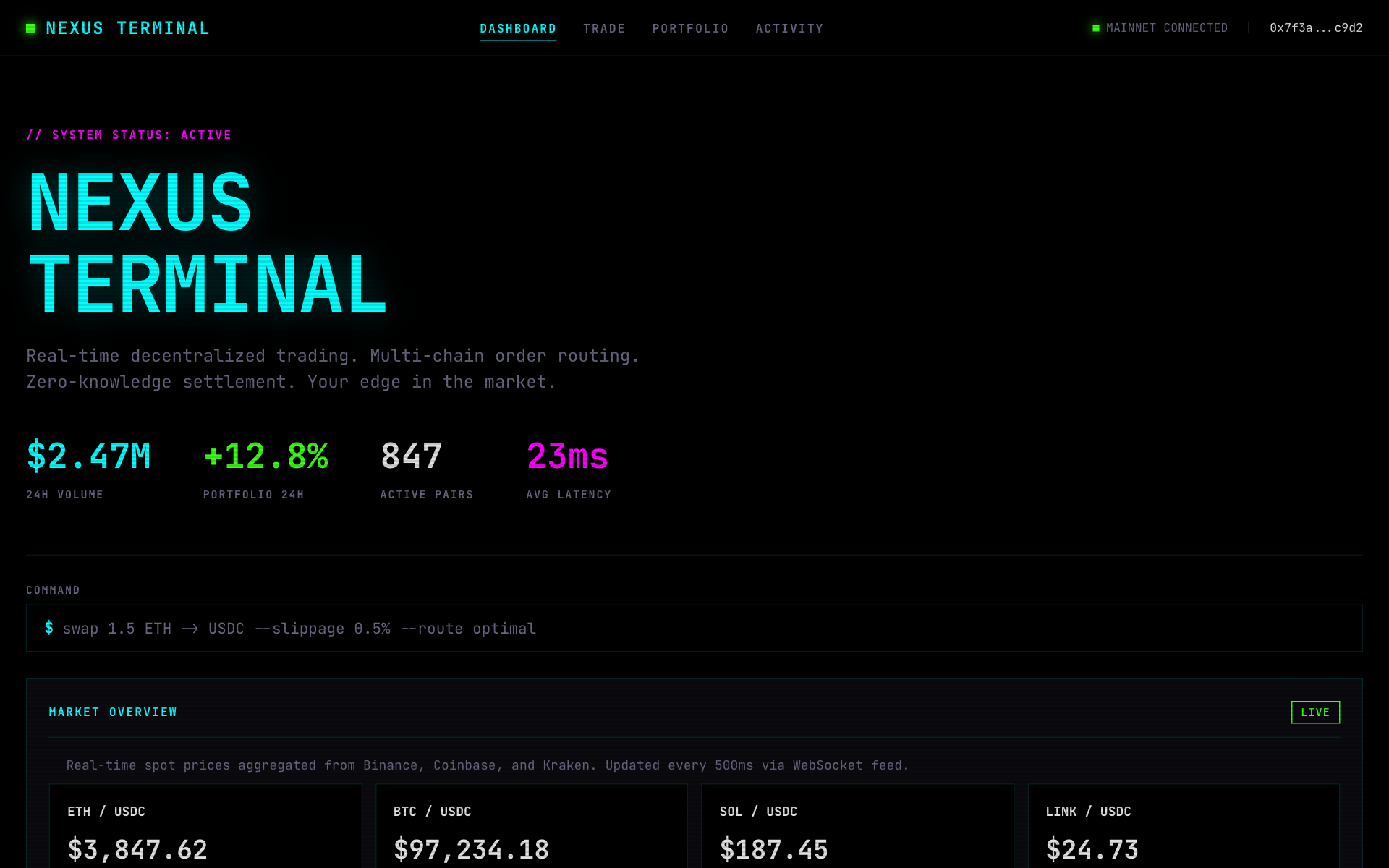
OLED-optimized dark mode design system with true black backgrounds, neon violet and cyan accents, and luminous glow interactions for battery-efficient, premium-feeling interfaces.
Apply this design skill
Read the SKILL.md at https://joincommons.cc/api/items/night-shift and apply its design language to my project
Designed by humans. Applied by agents.
Design Language
Night Shift is designed for the dark. Not "dark mode" as an afterthought — dark as the foundation, the starting point, the entire worldview. The screen is an OLED panel where every black pixel is literally off, consuming zero power and creating infinite contrast. Content does not sit on a dark background; it emerges from a void.

This is the design language of devices held at 2am, of music apps playing through headphones on a late train, of code editors at midnight, of social feeds scrolled in bed with the lights off. On an OLED screen, true black is not just a color — it is the absence of light. And when neon violet and cyan accents glow against that void, the effect is not a dark theme applied to a light design. It is something native to the dark.

Night Shift rejects the common "dark mode" compromise of dark gray backgrounds (#1a1a1a, #222, #2d2d2d). Those grays exist because designers fear true black — they worry about "floating" content, about losing edge definition, about contrast being too harsh. Night Shift embraces all of that. Content should float. Edges should dissolve into the void. Contrast should be dramatic. That is what makes OLED screens beautiful.

The result is an interface that feels premium, modern, and distinctly nocturnal — a design system that belongs to the night.

---
Agent instructions (SKILL.md)(advanced)
Design Skill
Night Shift applies an OLED-optimized dark mode design system to any interface. It transforms layouts into premium nocturnal experiences — true black backgrounds where OLED pixels are literally off, neon violet and cyan accents that glow against the void, controlled-opacity white text, and luminous glow-based interaction feedback. The result should look like a flagship app designed specifically for OLED displays in 2026.